
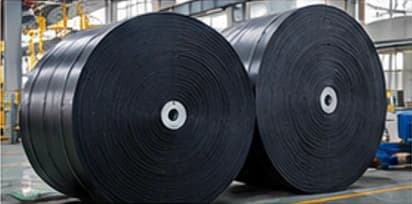
 Product illustration
FABRIC REINFORCED
Fabric Textile Conveyor Belt (EP)
Multi-ply polyester conveyor belts for bulk material handling. Match carcass strength, cover grade and dimensions to your operating conditions.
View Details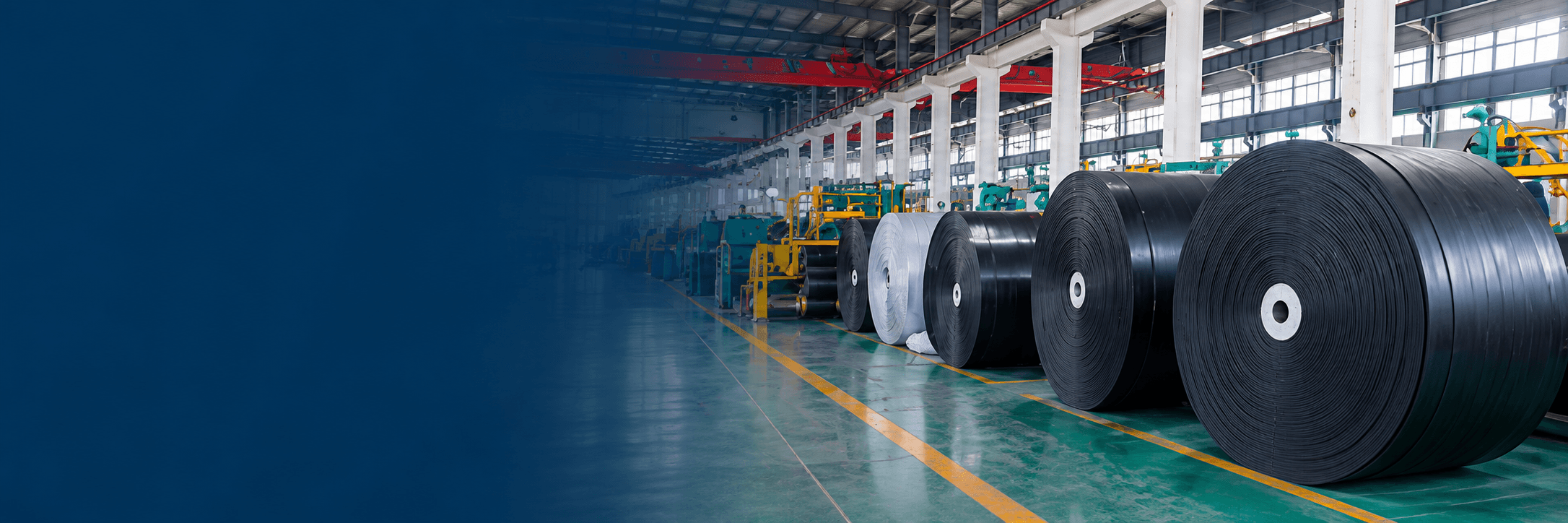
JUTOU KAILI · INDUSTRIAL RUBBER CONVEYOR BELTS
Explore belt construction, cover performance and application requirements.
Find the right starting point for your next specification and quotation.
EXPLORE THE PRODUCT RANGE
Start with the belt construction and conveying layout, then review the cover properties for your material and operating conditions.
Product illustrationMulti-ply polyester conveyor belts for bulk material handling. Match carcass strength, cover grade and dimensions to your operating conditions.
View Details Product illustration
Steel-cord reinforcement for high-tension and long-distance bulk conveying. Selection also depends on splice design, pulley diameters and the conveyor layout.
View Details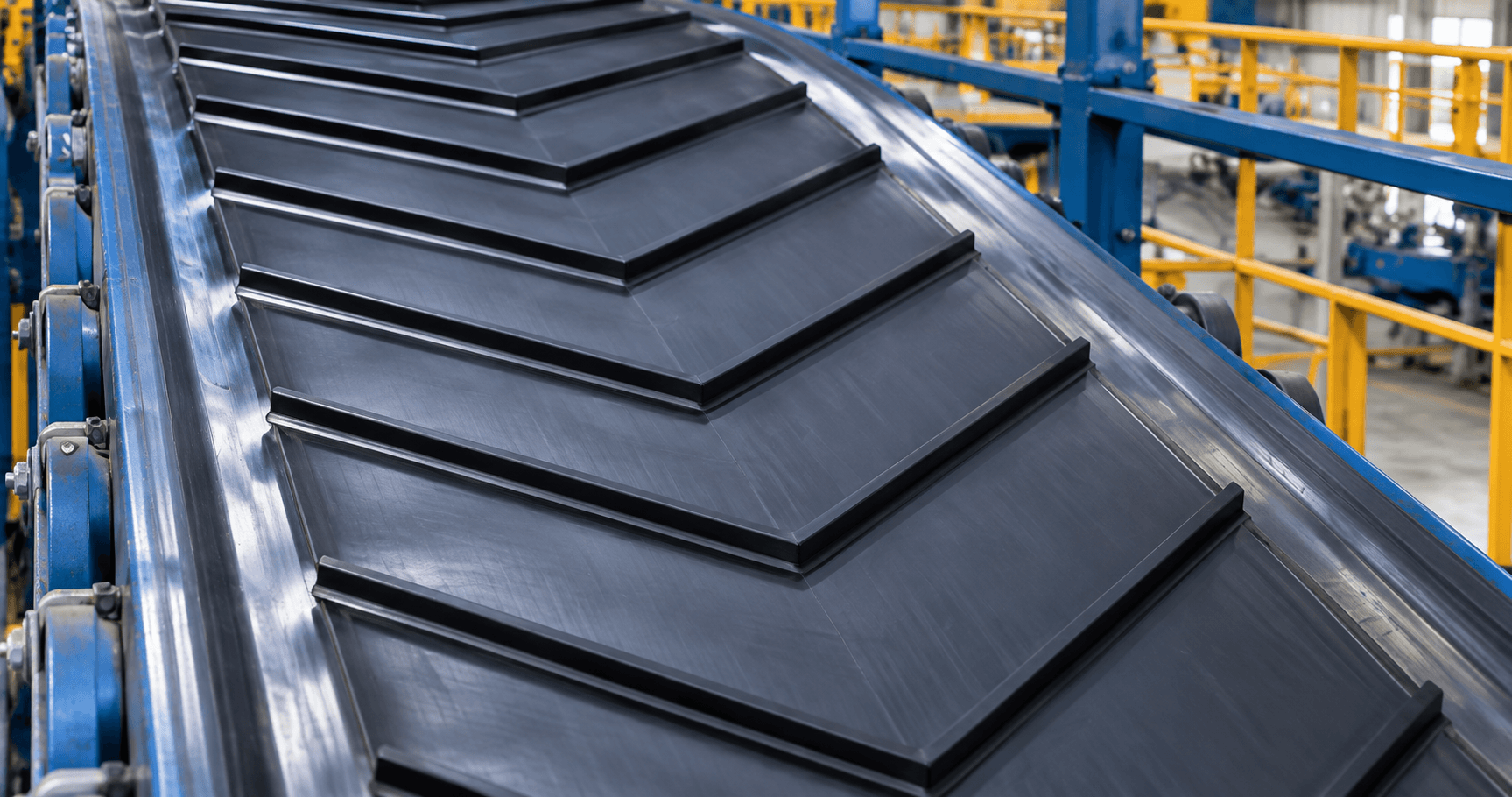 Product illustration
Profiled rubber conveyor belts for inclined conveying of powders, granules and small lumps. Pattern geometry must suit the material and conveyor.
View Details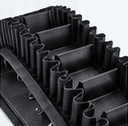 Product illustration
Corrugated sidewalls and cross cleats help retain bulk material on steep conveyor layouts. The complete arrangement needs to match your material and equipment.
View Details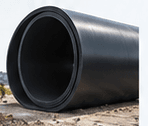 Product illustration
Belts designed to form a pipe-shaped conveying section for enclosed bulk transport. Transition zones and idler geometry are part of the selection.
View Details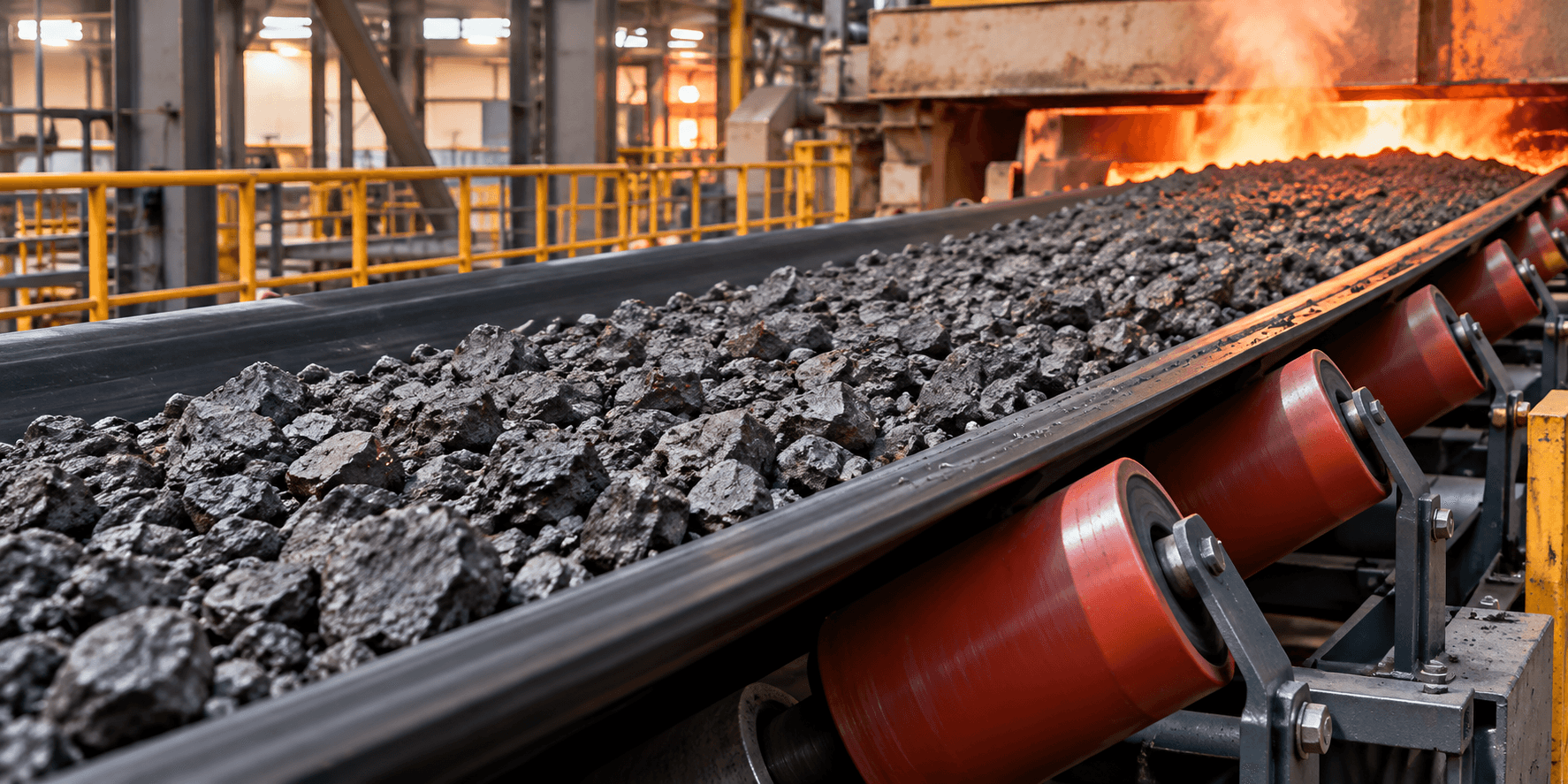 Product illustration
Heat-resistant cover compounds for hot-material conveying. Selection depends on material and belt-surface temperatures, exposure time and operating conditions.
View DetailsHave a specification or drawing ready?
Discuss your requirementsSELECT BY OPERATING CONDITIONS
A cover requirement and a carcass type are separate decisions. Match them to the actual duty.
Review material size, loading height, wear conditions and the reinforcement required by the conveyor.
Review fabric beltsProvide continuous and peak material temperatures, belt-surface temperature and exposure time.
Review heat resistant beltsCheck the incline, throughput, available space and how material is retained or enclosed.
Review sidewall beltsUNDERSTAND THE CONSTRUCTION
EP fabric plies with rubber covers. Review finished-belt rating, plies, covers and dimensions together.
02Longitudinal steel cords for high-tension conveying. Check rating, splice arrangement and pulley requirements.
03Chevron, sidewall and pipe arrangements address different conveying layouts and material-retention requirements.
SPECIFICATION-LED SUPPLY
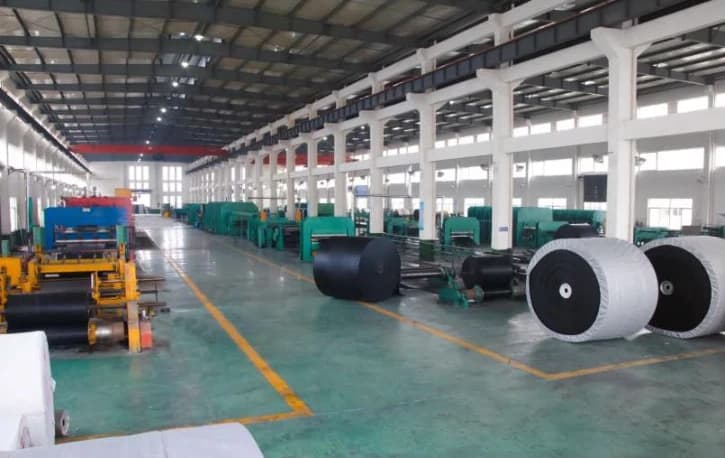
Send your existing belt marking, specification or conveyor drawing. We can discuss the construction, covers and dimensions required for the application.
Current supply scope, order terms and inspection requirements are confirmed with the quotation.
Discuss a custom specificationTECHNICAL RESOURCES
A useful conveyor belt specification identifies the carcass, finished-belt strength, width, covers and length. Add the operating conditions so the proposed belt can be checked.
Read the guideStart with the material and conveyor duty. Select reinforcement for mechanical requirements, covers for the environment, and profiles for the conveying layout.
Read the guideConveyor belt pricing depends on the agreed technical specification, order size and delivery terms. A price per metre is meaningful only when those assumptions are comparable.
Read the guideTALK TO OUR EXPORT TEAM
Share the details you have. If your specification is unknown, describe the material and conveyor so our team can help identify the next steps.
linda@kailirubber.comWhatsApp: +86 18069369836Download the product catalogue