Published by JUTOU KAILI · Updated 2026-10-20 · Based on the supplied catalogue and procurement guidance.
| Item | Details |
|---|---|
| Hot material | Check heat-resistant cover selection |
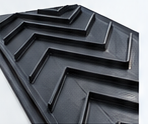
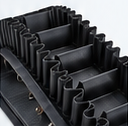
| Inclined route | Review chevron or sidewall geometry |
| High-tension route | Review reinforcement and splice design |
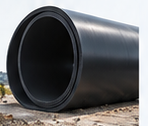
| Enclosed transport | Review the full pipe-conveyor system |
1. Define the material
Record bulk density, lump size, moisture, temperature and any oil or chemical exposure. These conditions help define cover and loading requirements.
2. Check the conveyor
Provide belt width, length, capacity, incline, pulley sizes and design tension. Loading and transfer points can require additional engineering attention.
3. Choose the belt arrangement
Compare fabric and steel-cord reinforcement for the mechanical duty. Consider chevron or sidewall arrangements for inclined layouts, or pipe systems where enclosed transport is required.
4. Confirm before purchase
Obtain an agreed specification covering dimensions, construction, cover properties, splice, inspection and documentation. Installation and maintenance conditions also affect performance.
Reference: JUTOU KAILI product catalogue. These guides support procurement discussions; application-specific recommendations require technical confirmation.